

Promoting and celebrating the distinct culture, identity, history and heritage of the Traveller and Roma communities in County Donegal.
Facts
- Traveller identity, culture and tradition continue to make significant contributions to Irish society.
- Shared cultural elements within the Traveller community include language, music, nomadism, strong family and community ties, religion, respect for elders, caravans, horses and traditional crafts such as tinsmithing, hawking and flower making.
- Travellers have their own language, Cant (also known as Gammon or Shelta), which is a central element of Traveller heritage.
- Travellers have a rich tradition of music, song and storytelling, developing distinctive styles that have influenced Irish cultural life.
- Roma communities live across Europe and do not share a single culture, but are connected through shared histories of nomadism and discrimination, both with each other and with the Traveller community.
Ongoing Work
- DTP develops local initiatives and participates in regional and national events that promote pride, confidence and positive identity among Traveller and Roma communities in Donegal.
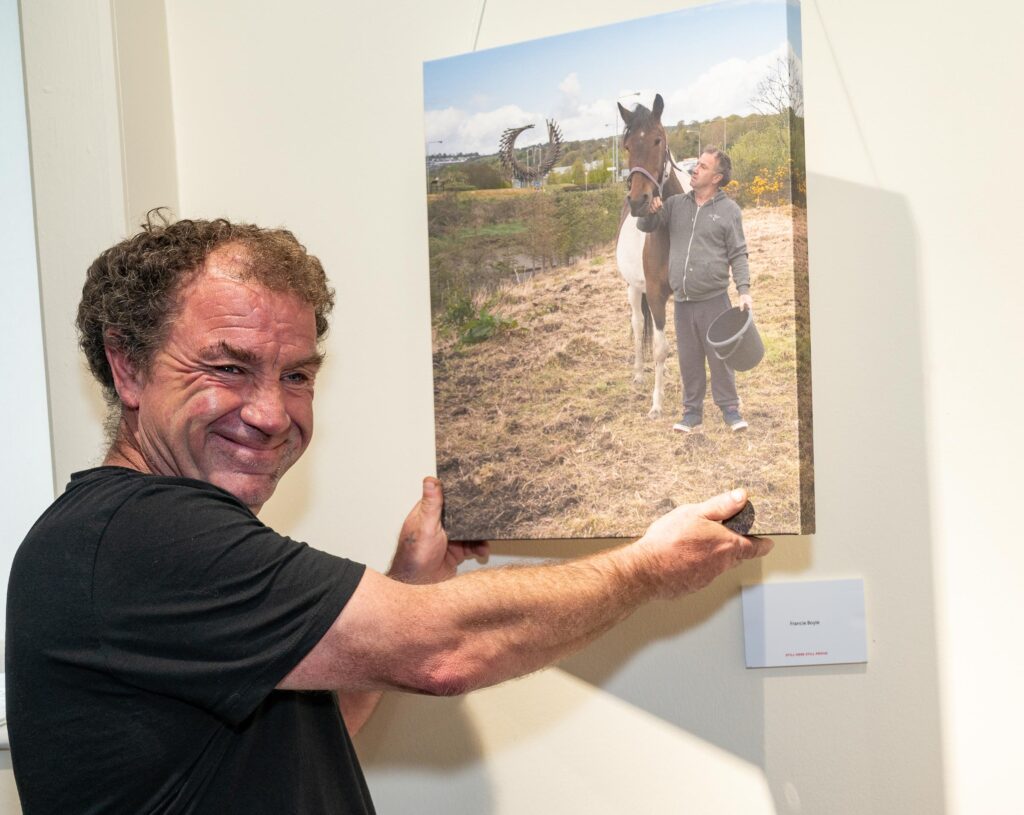
- The Still Here Still Proud initiative (2021–2022) celebrated Traveller culture, identity and history following the Covid-19 pandemic.
- The annual Traveller Pride event provides an opportunity to celebrate Traveller history and culture with the wider public.
- Creative initiatives for the Roma community, including tapestry and quilting workshops with local artists, celebrate Roma culture and strengthen community connection.
- DTP works closely with cultural and arts institutions such as Donegal County Museum and the Regional Cultural Centre to host exhibitions highlighting Traveller and Roma history and experiences.
- DTP manages and delivers a communications strategy to promote awareness and understanding of Traveller and Roma culture and identity locally and nationally.